
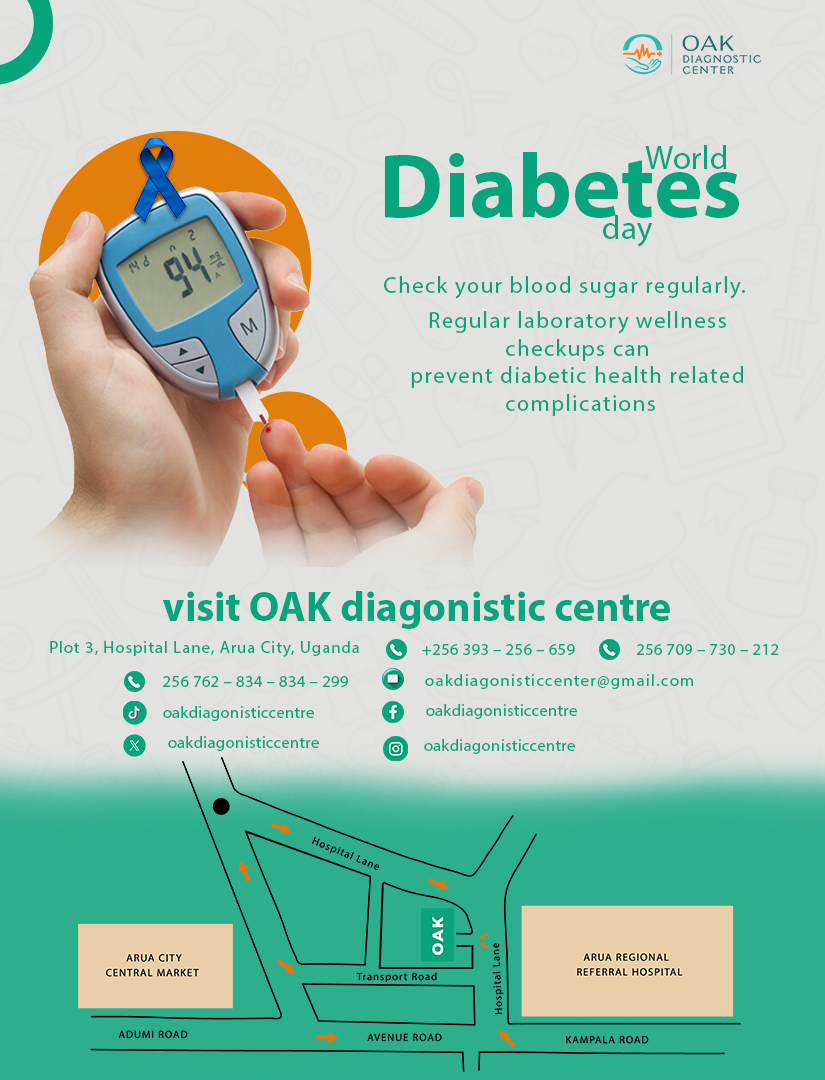
DIABETES Mellitus
Introduction
Diabetes mellitus is a chronic metabolic condition characterized by elevated levels of glucose (sugar) in the blood. It occurs either when the body does not produce enough insulin (a hormone that helps regulate blood glucose) or when the body cannot effectively use the insulin it produces. Diabetes is classified into two main types:
- Type 1 Diabetes: An autoimmune condition where the body attacks and destroys insulin-producing cells in the pancreas. This form is typically diagnosed in childhood or adolescence, though it can occur at any age.
- Type 2 Diabetes: A more common form, it typically develops over time, often as a result of lifestyle factors such as poor diet, lack of physical activity, and obesity. In this form, the body either becomes resistant to insulin or doesn’t produce enough insulin to maintain normal blood glucose levels.
Global Prevalence and Projections.
In 2021, there were 529 million people living with diabetes worldwide, a staggering number that reflects the growing global burden of this disease. Diabetes has become one of the leading causes of morbidity and mortality, with 1.5 million deaths directly attributed to diabetes each year. The incidence of diabetes continues to rise, driven by factors such as aging populations, urbanization, unhealthy diets, and reduced physical activity.
Projected Growth in Diabetes Cases: It is estimated that by 2050, the number of people living with diabetes will increase to 1.31 billion, further straining healthcare systems worldwide. This projection highlights the urgent need for both preventative measures and better management strategies for those already living with the condition.
Causes and Risk Factors of Diabetes
While the exact causes of diabetes, particularly Type 2 diabetes, are not fully understood, several factors have been identified that significantly increase the risk of developing the condition. These factors can be broadly categorized into genetic and lifestyle-related influences, as well as age and family history.
1. Genetics
- Family history of diabetes: If a close family member (parent, sibling) has diabetes, particularly Type 2 diabetes, the risk of developing the condition is higher. Certain genetic mutations or inherited traits can predispose individuals to diabetes.
- Genetic predisposition: While not entirely conclusive, studies have shown that people with specific gene variations may be more likely to develop diabetes. However, genetics alone is usually not the sole factor; environmental factors play a significant role as well.
2. Obesity
- Excess body fat, especially abdominal fat, is one of the most significant risk factors for Type 2 diabetes. Obesity leads to insulin resistance, meaning the body’s cells do not respond effectively to insulin. This results in higher blood glucose levels. The excess fat, particularly visceral fat (fat around the organs), also triggers inflammation, which can further impair insulin action.
- Increased body mass index (BMI) is directly correlated with a higher risk of developing Type 2 diabetes. The risk increases as BMI rises, particularly in individuals who are overweight or obese (BMI ≥ 25).
3. Physical Inactivity
- Sedentary lifestyle: Lack of physical activity is a key risk factor for developing Type 2 diabetes. Regular exercise helps the body use insulin more effectively and improves glucose metabolism. Physical activity also helps maintain a healthy weight, which reduces the risk of obesity-related insulin resistance.
- Even moderate activity, such as walking, swimming, or cycling, can help lower the risk of developing diabetes by improving insulin sensitivity and reducing blood sugar levels.
4. Unhealthy Diet
- High-calorie, high-fat, and low-fiber diets: Diets that are rich in refined carbohydrates, added sugars, and unhealthy fats (e.g., trans fats and saturated fats) are strongly associated with the development of Type 2 diabetes. Such diets contribute to weight gain, insulin resistance, and chronic inflammation.
- A low-fiber diet can impair blood sugar control. Fiber, particularly from whole grains, vegetables, and fruits, helps slow the absorption of sugar into the bloodstream, reducing the risk of blood sugar spikes.
- Overconsumption of sugary beverages, processed foods, and fast food is linked to the rising incidence of Type 2 diabetes, particularly in younger populations.
5. Age
- Age-related risk: The risk of developing Type 2 diabetes increases with age, particularly after 45 years old. As people age, they may experience a decrease in physical activity, changes in body composition (e.g., increased fat and reduced muscle mass), and hormonal changes that may promote insulin resistance.
- However, Type 2 diabetes is increasingly being diagnosed in younger people, even in children and adolescents, due to rising obesity rates and poor dietary habits.
- Type 1 diabetes, on the other hand, is more commonly diagnosed in children and young adults, but it can develop at any age.
6. Family History
- Family history of diabetes: Having a parent or sibling with diabetes increases the likelihood of developing the condition. This is especially true for Type 2 diabetes, where both genetic factors and environmental factors like lifestyle choices contribute to the risk.
- Inherited genes can affect the way insulin is produced or how the body responds to it. However, lifestyle factors such as diet, exercise, and weight management also play a major role in determining whether a person will develop the disease.
Additional Risk Factors:
- Gestational diabetes: Women who have had gestational diabetes during pregnancy have a significantly higher risk of developing Type 2 diabetes later in life. Additionally, babies born to mothers with gestational diabetes are at an increased risk of developing obesity and Type 2 diabetes.
- Ethnic background: Certain ethnic groups are at higher risk for diabetes. For example, people of African, Hispanic, Native American, and Asian American descent have a higher predisposition to developing Type 2 diabetes compared to people of European descent.
- High blood pressure (hypertension): People with high blood pressure (especially over 140/90 mm Hg) are more likely to develop Type 2 diabetes. This is likely because hypertension and diabetes share common risk factors, such as obesity and a sedentary lifestyle.
- Abnormal cholesterol levels: Having high levels of triglycerides or low levels of high-density lipoprotein (HDL, or “good” cholesterol) increases the risk of developing diabetes.
- Sleep disorders: Sleep apnea and poor-quality sleep have been linked to an increased risk of Type 2 diabetes, likely because these conditions contribute to insulin resistance and increased stress hormone levels (like cortisol).
Symptoms of Diabetes
The symptoms of diabetes can vary depending on the type (Type 1 or Type 2) and how advanced the condition is. However, many of the common symptoms are linked to high blood glucose (hyperglycaemia) and insulin resistance. Here are some of the most common signs and symptoms that may indicate diabetes:
1. Increased Thirst and Hunger
- Polydipsia (increased thirst): High blood sugar levels can lead to dehydration, as excess glucose is excreted through urine, pulling water with it. This causes the body to become thirsty in an attempt to replenish lost fluids.
- Polyphagia (increased hunger): Despite high blood sugar levels, the body’s cells are not able to use glucose properly due to insulin resistance or insufficient insulin. As a result, the body signals hunger, prompting an individual to eat more to get the energy it needs.
2. Frequent Urination
- Polyuria (frequent urination): When blood glucose levels are elevated, the kidneys work harder to filter and absorb the excess glucose. If the kidneys cannot keep up, glucose is excreted into the urine, drawing water along with it. This leads to increased urination. As a result, people with diabetes may find themselves needing to urinate more often, especially at night.
3. Extreme Fatigue
- Fatigue or tiredness is a common symptom of diabetes, especially in people with high blood glucose levels. When the body cannot use glucose efficiently due to insulin resistance or insufficient insulin, energy production decreases, leading to feelings of extreme fatigue. Additionally, dehydration from frequent urination can also contribute to tiredness.
4. Blurred Vision
- Vision problems are a common symptom of both Type 1 and Type 2 diabetes. High blood sugar levels can cause fluid to be pulled from tissues, including the lenses of the eyes, which can affect the ability to focus and cause blurred vision. Over time, untreated high blood sugar can damage the blood vessels in the retina, leading to more serious eye conditions like diabetic retinopathy, which can result in vision loss.
5. Slow Healing of Cuts and Wounds
- High blood sugar levels can impair the body’s ability to heal wounds and fight infections. Elevated glucose levels can reduce blood circulation and affect the function of immune cells, making it harder for the body to repair damaged tissues and fend off infections. This can lead to slower healing of cuts, bruises, or other injuries.
6. Unintentional Weight Loss
- Although increased hunger can lead to eating more, unintentional weight loss can still occur, especially in Type 1 diabetes. This happens because the body starts breaking down fat and muscle for energy when it cannot access the glucose it needs due to lack of insulin. In people with Type 2 diabetes, weight loss can also occur in cases where blood sugar is poorly controlled, though it is less common than in Type 1 diabetes.
Other Potential Symptoms
- Tingling or Numbness in Hands or Feet: Over time, high blood sugar levels can damage the nerves, leading to peripheral neuropathy, which causes tingling, pain, or numbness in the hands and feet.
- Skin Infections: High blood glucose levels can weaken the immune system, making the body more prone to skin infections, yeast infections, and other skin issues.
- Dry Mouth and Itchy Skin: Dehydration caused by excessive urination can result in dry mouth. Itchy skin can also occur due to poor circulation or dehydration.
Complications:
The impact of diabetes extends far beyond just the individuals diagnosed with it. The disease contributes to a wide range of complications, including:
- Cardiovascular disease: People with diabetes are at a higher risk for heart disease, stroke, and high blood pressure
- Kidney damage: Diabetes is a leading cause of kidney disease and dialysis
- Neuropathy: High blood sugar can damage nerves, leading to pain, numbness, or even amputation in severe cases
- Vision loss: Diabetes is a leading cause of blindness due to damage to the retina (diabetic retinopathy)
- Foot damage: Poor blood flow and infection can lead to amputations
Diagnosis of Diabetes
Diabetes is diagnosed using a variety of blood tests that measure blood glucose levels. The following tests are commonly used to confirm a diagnosis of diabetes, each offering a different perspective on how well the body is managing blood sugar.
1. Random Blood Sugar Test (RBS)
- Description: This test measures blood glucose levels at any time of day, regardless of when the person last ate.
- Diagnosis Criteria: A random blood sugar level greater than 11.10 mmol/L (199 mg/dL) is suggestive of diabetes. If symptoms of diabetes (e.g., increased thirst, frequent urination, fatigue) are also present, this test can be a reliable way to confirm the diagnosis.
- Interpretation:
- Normal: Less than 5.6 mmol/L (100 mg/dL)
- Prediabetes: 5.6 to 6.9 mmol/L (100–125 mg/dL)
- Diabetes: 11.10 mmol/L (199 mg/dL) or higher
2. Fasting Blood Sugar (FBS) Test
- Description: This test measures the blood glucose level after an overnight fast (typically 8–12 hours without eating or drinking anything except water).
- Diagnosis Criteria: A fasting blood sugar level greater than 6.2 mmol/L (100 mg/dL) indicates possible prediabetes, while a level of 7.0 mmol/L (126 mg/dL) or higher confirms diabetes.
- Interpretation:
- Normal: Less than 5.6 mmol/L (100 mg/dL)
- Prediabetes: 5.6 to 6.9 mmol/L (100–125 mg/dL)
- Diabetes: 7.0 mmol/L (126 mg/dL) or higher on two separate tests
3. A1C Test (Glycated Hemoglobin Test)
- Description: The A1C test reflects the average blood sugar levels over the past 2 to 3 months by measuring the percentage of glucose that has attached to hemoglobin (the protein in red blood cells that carries oxygen). It provides a long-term view of blood sugar control, making it useful for diagnosing diabetes and monitoring treatment progress.
- Diagnosis Criteria: An A1C level of 5.7% or higher is considered abnormal and indicates a risk of developing diabetes. A level of 6.5% or higher on two separate tests confirms the diagnosis of diabetes.
- Interpretation:
- Normal: Below 5.7%
- Prediabetes: 5.7% to 6.4%
- Diabetes: 6.5% or higher
4. Oral Glucose Tolerance Test (OGTT)
- Description: This test measures how well the body processes glucose. The test involves taking a blood sample after fasting (similar to the FBS test) and then drinking a sugary drink containing 75 grams of glucose. Blood samples are taken at intervals, typically at
- 1 hour and 2 hours after consuming the drink, to assess how the body responds to the sugar.
- Diagnosis Criteria: A 2-hour blood glucose level greater than 11.1 mmol/L (200 mg/dL) confirms diabetes. A result between 7.8 to 11.0 mmol/L (140–199 mg/dL) indicates prediabetes.
- Interpretation:
- Normal: Less than 7.8 mmol/L (140 mg/dL)
- Prediabetes: 7.8 to 11.0 mmol/L (140–199 mg/dL)
- Diabetes: 11.1 mmol/L (200 mg/dL) or higher
Other Considerations for Diagnosis
- Confirming the Diagnosis: If one of the above tests shows abnormal results, the test should generally be repeated on a separate day to confirm the diagnosis of diabetes. If the second test also shows elevated blood sugar levels, a diagnosis of diabetes can be made.
- Testing for Type 1 vs. Type 2 Diabetes: In some cases, especially in young people or individuals with unusual presentation, additional tests may be needed to differentiate between Type 1 and Type 2 diabetes, as they require different treatment approaches.
- Autoantibodies test: In Type 1 diabetes, the immune system attacks the insulin-producing cells in the pancreas, and testing for autoantibodies (such as anti-GAD antibodies) can help distinguish Type 1 from Type 2 diabetes.
- C-peptide test: This test measures how much insulin the pancreas is producing. Low levels of C-peptide can indicate that the body is not producing enough insulin, which is common in Type 1 diabetes.
When Should You Get Tested for Diabetes?
- Adults with risk factors (e.g., obesity, family history, age over 45, sedentary lifestyle) should get tested for diabetes starting at age 45, or earlier if they have additional risk factors.
- Anyone with symptoms of diabetes (e.g., increased thirst, frequent urination, fatigue, unexplained weight loss) should seek medical evaluation and testing immediately.
- Pregnant women are typically tested for gestational diabetes during the second trimester of pregnancy (between 24 and 28 weeks). If diagnosed, management during pregnancy is critical for both maternal and fetal health.
Treatment and Management of Diabetes
Managing diabetes involves a combination of lifestyle changes, medications, and, in some cases, insulin therapy. Effective treatment aims to maintain blood glucose levels within a target range, prevent complications, and improve the overall quality of life. Below are the key components of diabetes treatment and management.
1. Healthy Diet
A well-balanced diet is crucial for managing blood sugar levels and promoting overall health. The goal is to keep blood sugar stable, avoid large fluctuations, and support weight management.
Key dietary recommendations:
- Carbohydrate control: Carbohydrates have the most significant impact on blood sugar levels, so it’s important to choose complex carbohydrates (e.g., whole grains, vegetables, legumes) over refined ones (e.g., white bread, sugary snacks). Counting carbs and understanding their impact on blood sugar is a useful tool.
- High fiber intake: Foods rich in fiber, such as vegetables, fruits (in moderation), legumes, and whole grains, help regulate blood sugar by slowing the absorption of glucose into the bloodstream.
- Lean protein: Including lean sources of protein (e.g., chicken, fish, tofu, beans) can help control hunger and provide stable energy without causing blood sugar spikes
- Healthy fats: Healthy fats from sources like olive oil, nuts, avocados, and fatty fish can help improve heart health and provide long-lasting energy without increasing blood glucose.
- Portion control: Eating balanced meals with appropriate portion sizes can help prevent overeating and manage blood sugar levels. Smaller, more frequent meals can also stabilize blood sugar.
- Limit sugary foods: Avoid or limit sugary foods and drinks that cause rapid increases in blood glucose levels (e.g., sodas, sweets, pastries). Focus on whole, unprocessed foods.
Example of a diabetes-friendly meal plan:
- Breakfast: Oatmeal with chia seeds, a handful of berries, and a side of scrambled eggs.
- Lunch: Grilled chicken salad with mixed greens, cucumbers, olive oil dressing, and a small serving of quinoa.
- Snack: A small handful of nuts or an apple with peanut butter.
- Dinner: Baked salmon, roasted vegetables, and a side of brown rice or steamed cauliflower.
2. Regular Exercise
Regular physical activity is essential for managing diabetes. Exercise helps the body use insulin more effectively, lowers blood glucose levels, and reduces the risk of complications such as heart disease and neuropathy.
Benefits of exercise for people with diabetes:
- Improves insulin sensitivity: Exercise makes muscle cells more sensitive to insulin, which helps lower blood sugar levels.
- Helps with weight management: Regular exercise helps maintain a healthy weight, which can reduce insulin resistance.
- Reduces cardiovascular risk: Physical activity lowers blood pressure, improves cholesterol levels, and strengthens the heart.
- Improves mood and reduces stress: Exercise is known to release endorphins, which can improve mental health and reduce the stress associated with managing a chronic condition.
Recommended types of exercise:
- Aerobic exercise: Activities such as walking, jogging, swimming, cycling, or dancing are excellent for improving cardiovascular health and reducing blood sugar levels.
- Strength training: Lifting weights or using resistance bands helps build muscle mass, which increases the body’s ability to use glucose.
- Flexibility and balance exercises: Yoga or stretching can improve flexibility and reduce the risk of falls, especially for people with neuropathy.
- Aim for at least 150 minutes of moderate-intensity exercise each week, with a mix of aerobic and strength training activities.
Important note: People with diabetes should consult their doctor before starting a new exercise regimen, especially if they have complications like neuropathy or heart disease.
3. Medications
There are several classes of medications available to help manage blood glucose levels in people with Type 2 diabetes. The choice of medication depends on factors like the severity of diabetes, other health conditions, and the individual’s response to treatment.
Common classes of diabetes medications:
- Metformin: Often the first-line medication for Type 2 diabetes, metformin helps lower blood glucose by improving insulin sensitivity and reducing the amount of sugar produced by the liver.
- Sulfonylureas: These drugs stimulate the pancreas to produce more insulin. Examples include glipizide and glyburide.
- DPP-4 inhibitors: These drugs (e.g., sitagliptin, saxagliptin) help increase insulin release and reduce glucose production by the liver.
- SGLT-2 inhibitors: Medications like empagliflozin and canagliflozin help the kidneys remove excess glucose from the bloodstream through urine.
- GLP-1 receptor agonists: Drugs such as liraglutide and semaglutide help increase insulin secretion, suppress appetite, and improve blood sugar control.
- Thiazolidinediones (TZDs): Medications like pioglitazone increase insulin sensitivity in muscle and fat cells.
Insulin therapy:
- For Type 1 diabetes, insulin therapy is always required because the body does not produce insulin.
- For Type 2 diabetes, insulin may be prescribed if other medications and lifestyle changes are insufficient to control blood glucose levels. Types of insulin include rapid-acting, long-acting, and short-acting insulins, which are used in various combinations to mimic the body’s natural insulin production.
4. Insulin Therapy
Insulin therapy is a cornerstone of diabetes treatment for Type 1 diabetes and often for Type 2 diabetes as well, particularly when oral medications are no longer sufficient.
Types of insulin:
- Rapid-acting insulin: Starts working quickly and is typically used before meals to control the rise in blood sugar that comes from eating.
- Short-acting insulin: Used to cover insulin needs for meals and snacks.
- Intermediate-acting insulin: Used to control blood sugar levels for most of the day or night.
- Long-acting insulin: Provides a steady release of insulin throughout the day and night to maintain baseline glucose levels.
Delivery methods:
- Insulin injections: Often used with syringes or insulin pens.
- Insulin pumps: A device that delivers continuous insulin through a small tube placed under the skin.
- Continuous glucose monitoring (CGM): A system that tracks blood glucose levels throughout the day and night, providing real-time feedback to adjust insulin delivery.
5. Stress Management
Stress can negatively affect blood sugar levels, so managing stress is a vital part of diabetes care. When stressed, the body releases hormones such as cortisol and adrenaline, which can raise blood glucose levels.
Stress management techniques:
- Mindfulness and meditation: Practices that help calm the mind and reduce stress.
- Breathing exercises: Deep breathing techniques can activate the parasympathetic nervous system and help manage stress.
- Regular physical activity: As mentioned, exercise is not only good for blood sugar control but also for reducing stress and improving mental well-being.
- Adequate sleep: Poor sleep can increase stress and disrupt blood sugar regulation. Aiming for 7-9 hours of quality sleep per night is important.
- Counselling or therapy: For those dealing with chronic stress or emotional difficulties related to managing a chronic condition, therapy or counseling can help.
Key takeaway messages for diabetic screening, monitoring, and treatment:
Diabetic Screening
- Regular Screening: All adults, especially those with risk factors (e.g., obesity, family history, hypertension), should undergo diabetes screening starting at age 35 and earlier for higher-risk groups.
- Testing Options: Common tests include fasting plasma glucose, HbA1c, and oral glucose tolerance test (OGTT). HbA1c is convenient for diagnosing and monitoring.
- Importance of Early Detection: Early identification helps in managing and delaying complications, as well as initiating lifestyle interventions and medical treatment.
Monitoring
- Blood Glucose Monitoring: For those diagnosed, self-monitoring of blood glucose (SMBG) helps adjust diet, exercise, and medication. Patients should monitor regularly as advised by their healthcare provider.
- HbA1c Monitoring: This test, done every 3-6 months, gives an average blood sugar level over the past 2-3 months, helping to track long-term control.
- Annual Screening for Complications: Routine checks for complications like retinopathy, neuropathy, nephropathy, and cardiovascular disease are crucial for proactive management.
Treatment
- Lifestyle Management: Diet, physical activity, and weight management are foundational for all individuals with diabetes, even if they are on medication
- Medication Adherence: Consistent use of prescribed medications (e.g., metformin, insulin, or others as needed) is essential to control blood glucose and reduce complications.
- Personalized Targets: Treatment goals should be tailored to each individual, with age, comorbidities, and preferences in mind, aiming for an HbA1c target of usually around 7% but individualized as appropriate.
Additional Points
- Education & Support: Regular diabetes education on self-management, symptom recognition, and lifestyle changes empowers patients and improves outcomes.
- Technology in Monitoring: Newer devices and mobile apps can help track and manage glucose levels and other health metrics.
REFERENCES
GBD 2021 Diabetes Collaborators (2023). Global, regional, and national burden of diabetes from 1990 to 2021, with projections of prevalence to 2050: a systematic analysis for the Global Burden of Disease Study 2021. Lancet (London, England), 402(10397), 203–234. https://doi.org/10.1016/S0140-6736(23)01301-6
American Diabetes Association (ADA)
The ADA publishes yearly guidelines, known as the Standards of Medical Care in Diabetes, which include comprehensive recommendations for diabetes screening, monitoring, and management.
- Reference: American Diabetes Association. (2023). Standards of Medical Care in Diabetes–2023. Diabetes Care, 46(Supplement_1), S1-S328.
World Health Organization (WHO)
WHO provides a global perspective on diabetes, emphasizing the importance of prevention, diagnosis, and management to reduce complications.
- Reference: World Health Organization. (2016). Global report on diabetes.
National Institute for Health and Care Excellence (NICE)
NICE guidelines cover a broad range of diabetes care practices, including type 1 and type 2 diabetes management, lifestyle advice, and monitoring protocols.
- Reference: National Institute for Health and Care Excellence (NICE). (2022). Diabetes (type 1 and type 2) in adults: management. NICE guideline [NG28].
Centers for Disease Control and Prevention (CDC)
The CDC offers comprehensive resources for diabetes care, including guidance on diabetes screening and monitoring for both patients and providers.
- Reference: Centers for Disease Control and Prevention (CDC). (2021). National Diabetes Statistics Report.
American Association of Clinical Endocrinologists (AACE)
AACE guidelines provide an extensive diabetes management algorithm, focusing on individualized treatment and monitoring for type 2 diabetes.
- Reference: Garber, A. J., et al. (2020). Consensus Statement by the American Association of Clinical Endocrinologists and American College of Endocrinology on
the Comprehensive Type 2 Diabetes Management Algorithm – 2020 Executive Summary. Endocrine Practice, 26(1), 107-139.
International Diabetes Federation (IDF)
IDF guidelines focus on primary care recommendations, helping to manage type 2 diabetes effectively within healthcare systems worldwide.
- Reference: International Diabetes Federation. (2019). IDF Clinical Practice Recommendations for Managing Type 2 Diabetes in Primary Care.


